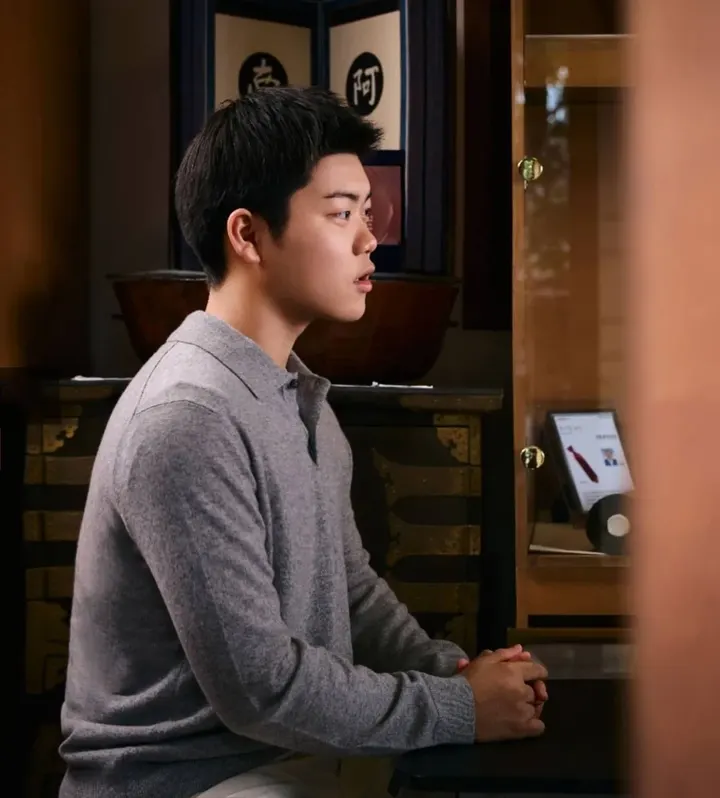
From my grandmother’s silk shop to this archive
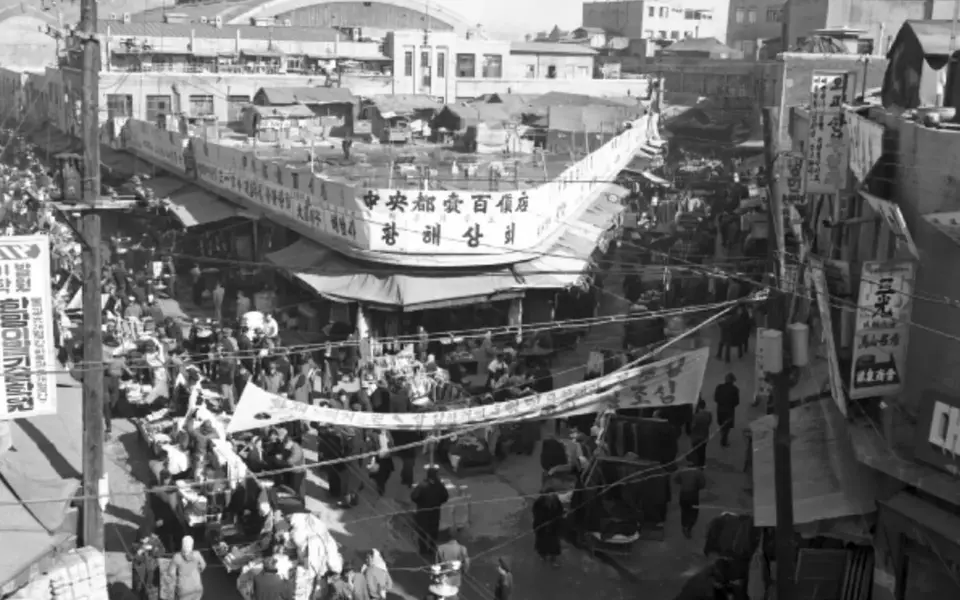
My grandmother’s silk shop
I grew up around Gwangjang Market. As a child, I spent countless days helping my grandmother and my mother, who ran a silk shop in the market. For me, it was never just a marketplace; it was where I watched artisans work, listened to conversations between generations, and experienced the everyday culture that made the market feel alive.
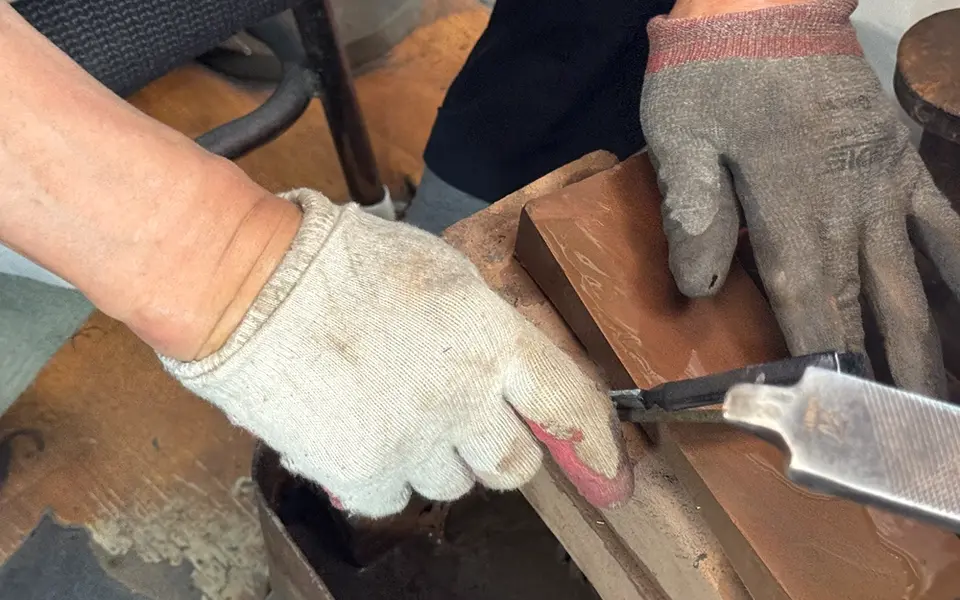
What the market taught me
When I returned years later, I realized how much had changed. Many of the traditional family-run businesses and artisans I remembered had closed. In their place were cafés, franchises, and newer shops. While change is inevitable, I felt that the people who built the market's identity were gradually disappearing from public memory.
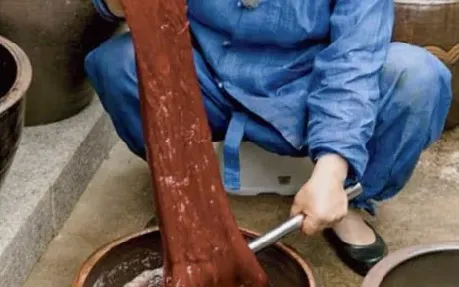
From silk to dye
Growing up among silk made me ask where its colors come from. I began studying traditional Korean dyeing, learning safflower red from Master Kim Gyeong-yeol, Hongnyeomjang, Seoul Intangible Cultural Heritage No. 49.
Dyeing the Dying History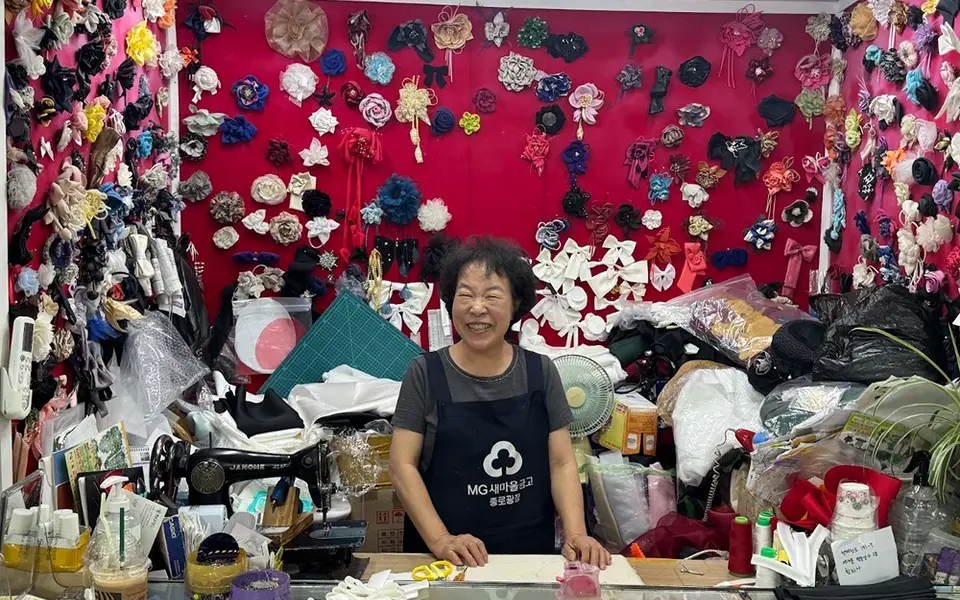
Giving back
I also noticed that most international visitors experience only a small part of the market. Most come for the famous food stalls, but few discover the knife sharpeners, silk merchants, hanbok makers, mother-of-pearl artisans, and family businesses that have existed here for generations. These stories remain hidden behind language barriers and risk disappearing altogether. That realization inspired this project.