Mother-of-Pearl · Lacquer
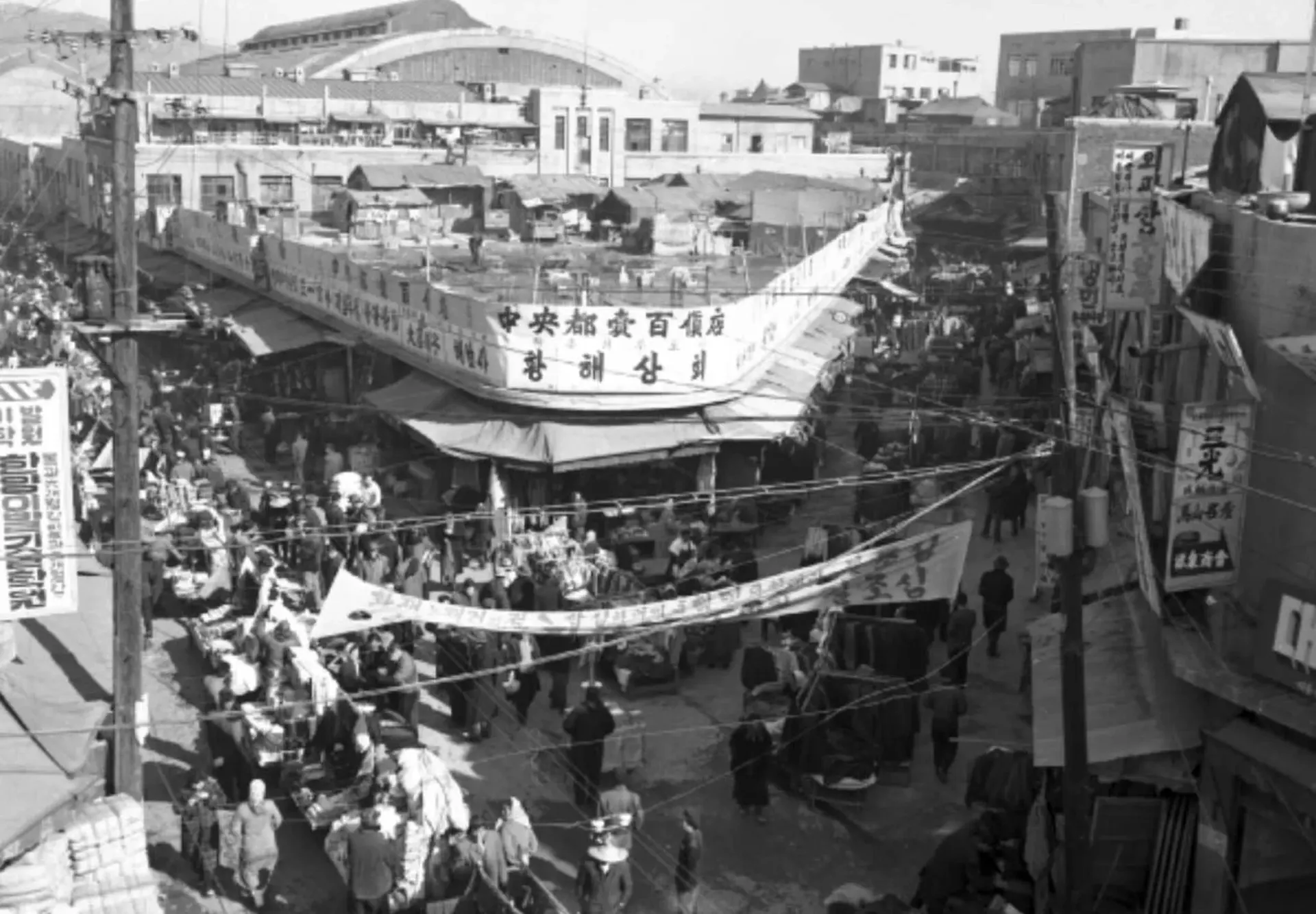
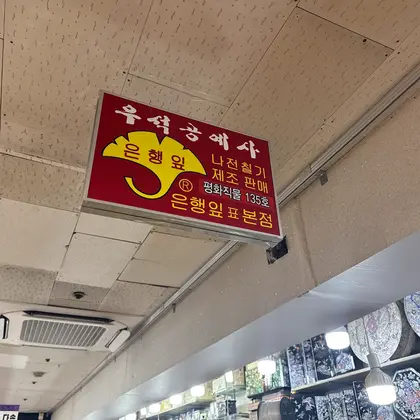
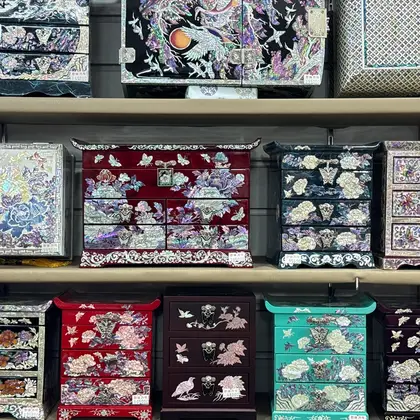
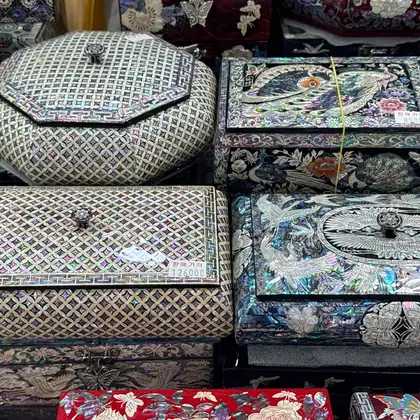
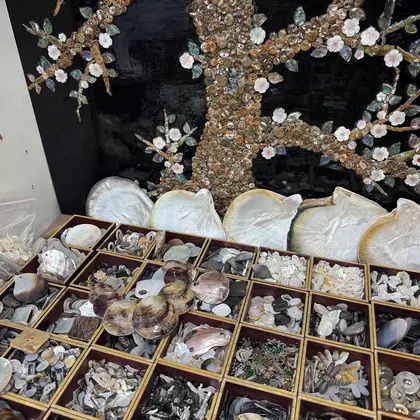
At Useok Handicraft Shop, you can discover traditional Korean crafts made with natural mother-of-pearl (jagae) and lacquer (ochil). From mother-of-pearl boxes and dining tables (bansang) to ritual utensils, each piece is handcrafted. The shimmering mother-of-pearl shifts in color naturally depending on the angle of the light, showcasing the elegant beauty unique to Korean craftsmanship. Thanks to their premium quality, these items are cherished by those looking for long-lasting souvenirs or special gifts. Every small craft reflects the delicate touch and time invested by Korean artisans.
Pottery
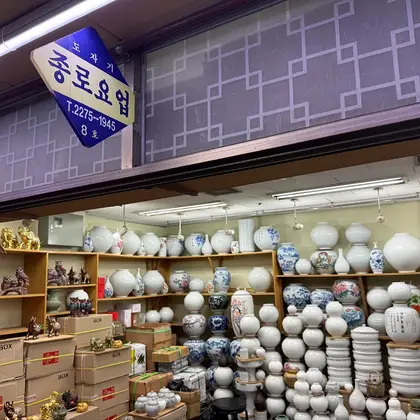
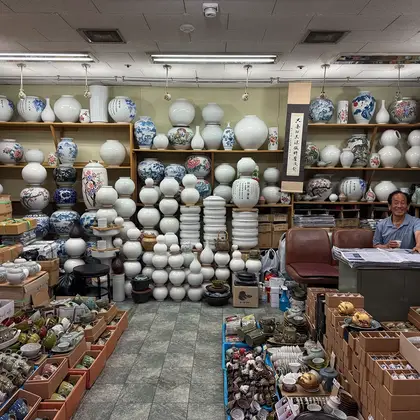
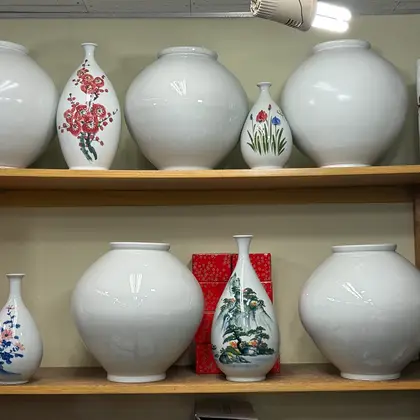
At Jongno Ceramic Industries, you can encounter traditional Korean ceramics that represent the country's heritage, including baekja (white porcelain), suljan (drinking cups), and dalhangari (moon jars). Korean white porcelain has long been celebrated not for ornate decorations, but for its balance, negative space, and natural curves. Even within the same shade of white, the subtle hues created by the earth and fire give every piece its own unique character and texture, allowing you to feel the warmth that only handmade ceramics can provide. This shop is highly recommended for those looking for special souvenirs that capture the essence of Korean food culture and daily life.
Mother-of-Pearl Buttons
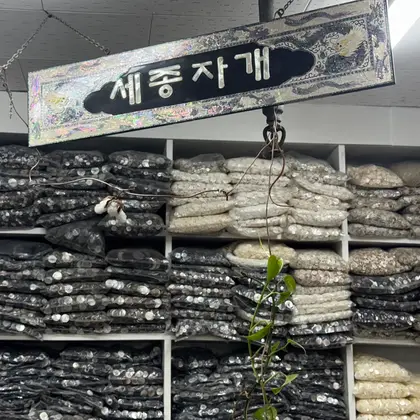
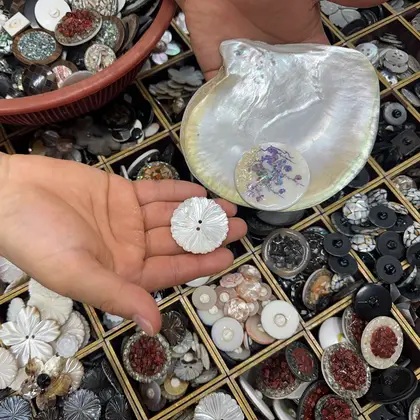
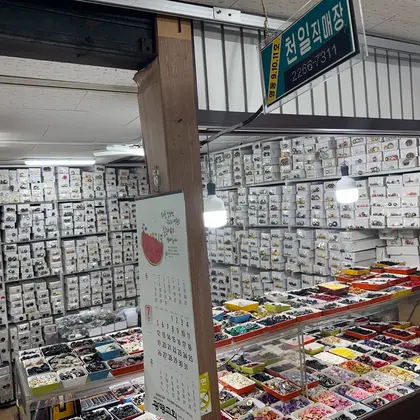
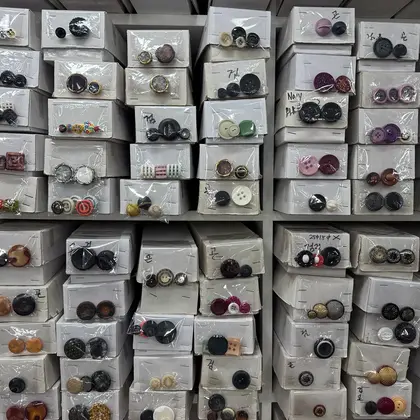
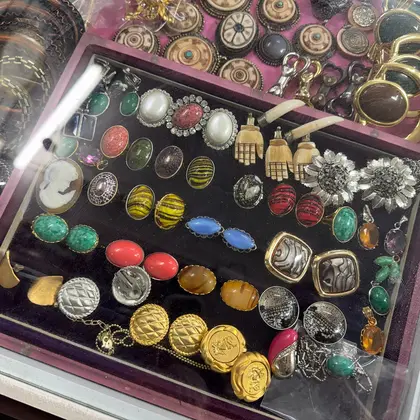
Sejong Jagae is a rare specialty shop dedicated to buttons crafted from natural mother-of-pearl (jagae). Though small in size, the organic shimmer of natural mother-of-pearl radiates a depth and hue that plastic or metal ornaments simply cannot replicate. Featuring vintage mother-of-pearl and rare materials that are hard to find today, visiting feels like exploring a miniature crafts museum. Every single button encapsulates the intricate artistry and beauty of Korean traditional craftsmanship.
Buttons
Traditional Korean Silk Shoes
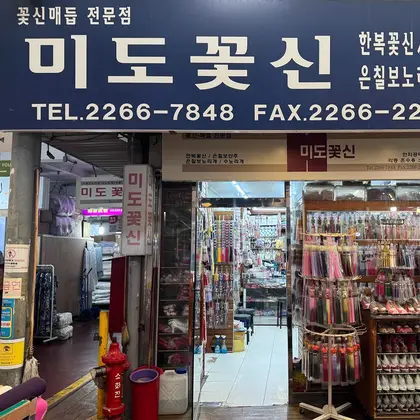
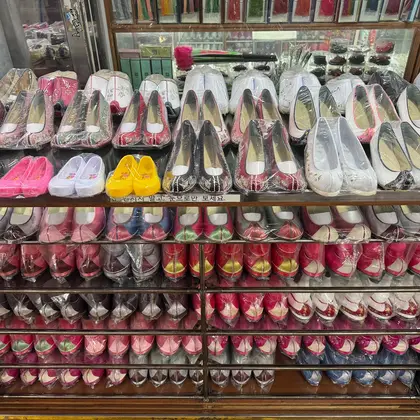
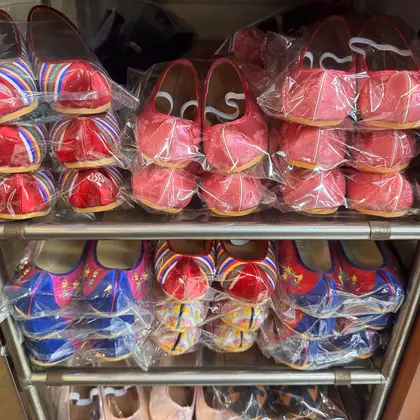
At Mido Kkotsin, you can discover exquisite traditional kkotsin (floral shoes) designed to be worn with hanbok. Beautifully embroidered on silk, these floral shoes were an essential element completing traditional Korean attire. Available in a variety of colors and sizes, international visitors can easily purchase traditional shoes with comfort. Every single pair of kkotsin embodies the beauty and heartfelt craftsmanship of Korea.
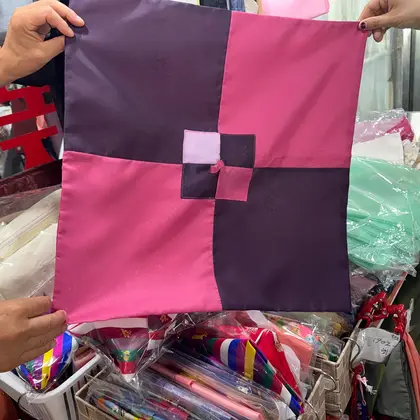
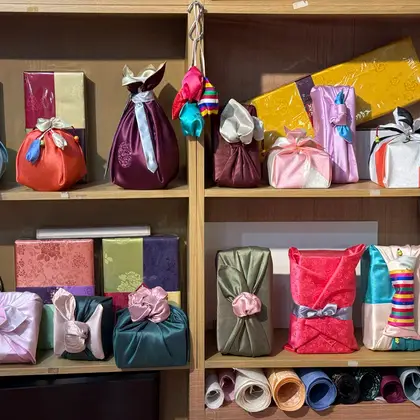
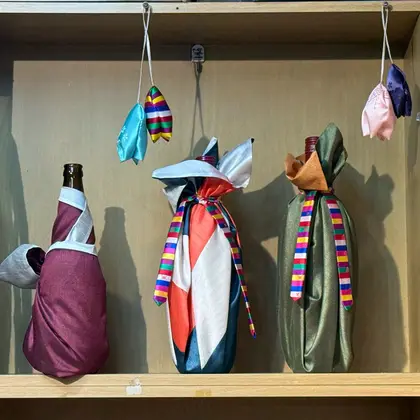
Bojagi
Embroidered Bedding · Patchwork (Jogakbo)
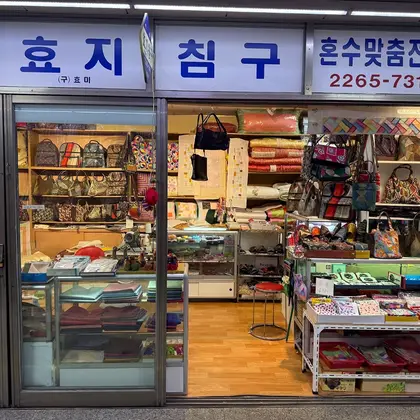
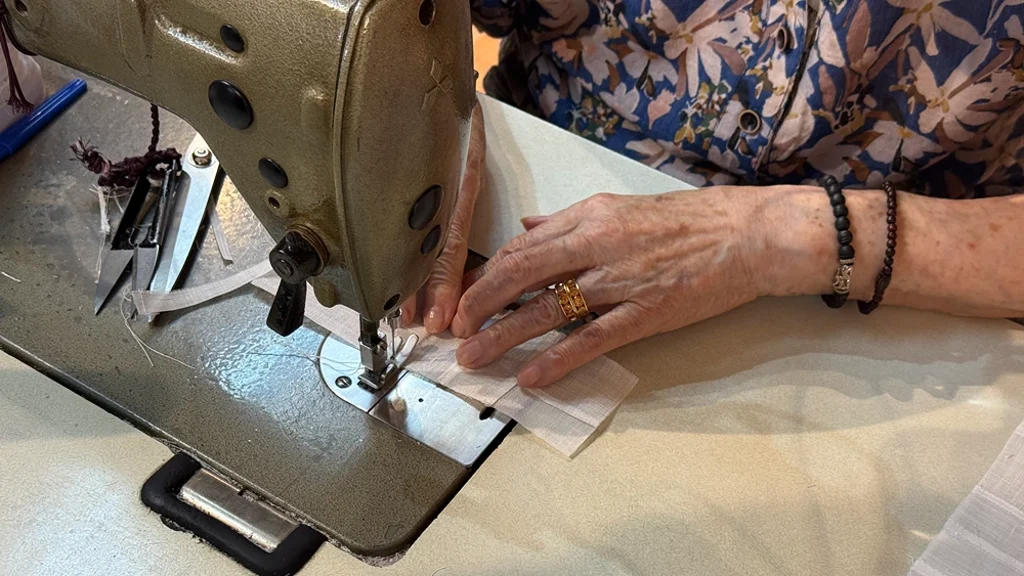
Gwangjang Market has long been a premier destination for those seeking quality bedding. At Hyoji Bedding, you can still find bedding adorned with delicate embroidery meticulously hand-stitched by a grandmother, stitch by stitch. This fine hand-sewing, which cannot be replicated by factories, transforms ordinary bedding into a true piece of craftwork. It is a special space where Korean embroidery culture lives on, filling your most private sanctuary with warmth.
Tailor's Shears
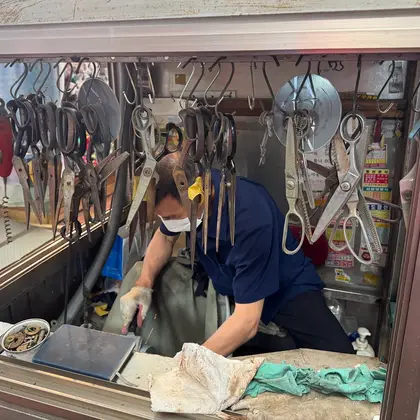
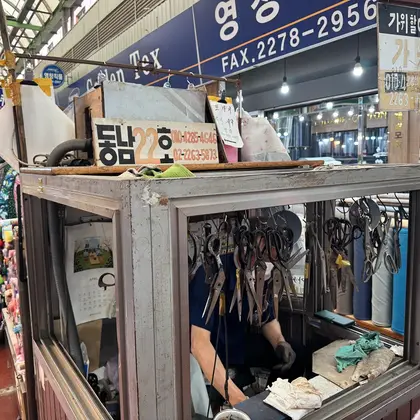
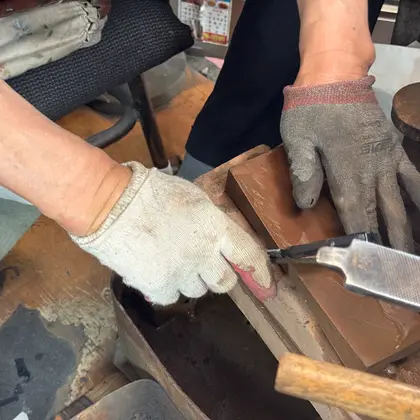
As Gwangjang Market has long driven South Korea's fashion industry as a major fabric and textile hub, tailor's shears have always been an essential tool for designers and tailors alike. Here, you can meet veteran artisans who have spent decades sharpening these specialized scissors. Shears used for cutting silk require such delicate maintenance that even cutting paper can easily dull the blades, but they are brought back to life through the master touch of an artisan. Behind every dazzling garment, there is always the unseen skill and dedication of a master craftsperson.
Objet Handcrafted Embellishments
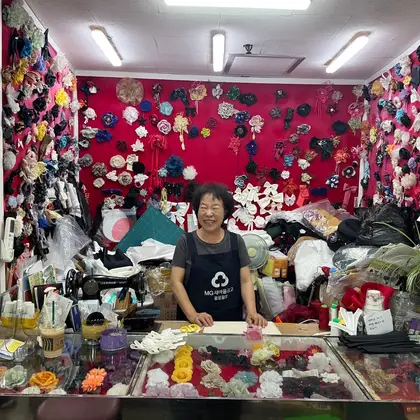
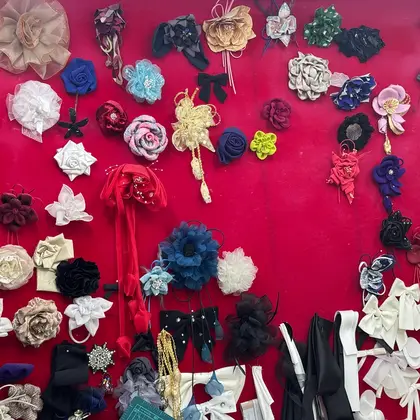
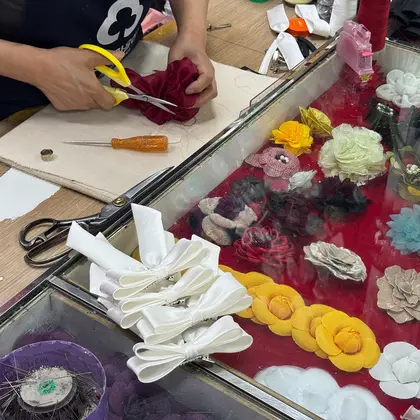
Hwanhuisa is a workshop specializing in handcrafted embellishments such as corsages and beadwork. In the past, intricate decorations finished by the fingertips of artisans here added the final, defining details to prominent Korean fashion designer brands and performance costumes. This delicate work, which machines cannot replicate, is born from thousands of repetitions and years of experience. Behind every glamorous garment always lies the hidden touch of nameless artisans.
Traditional Textiles
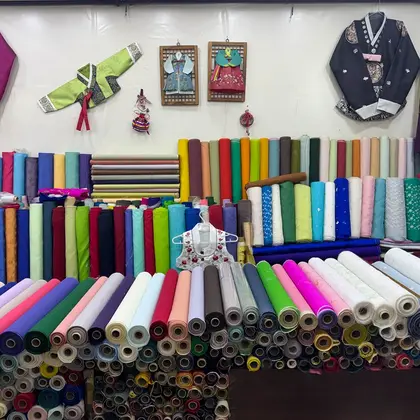
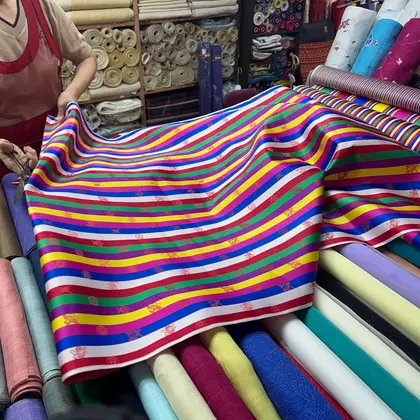
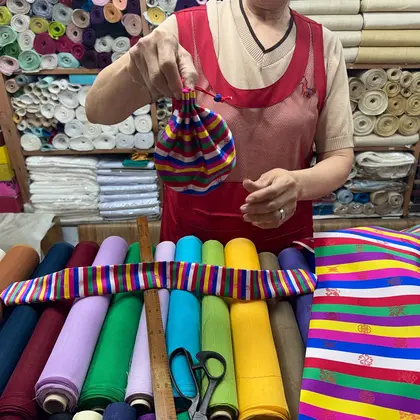
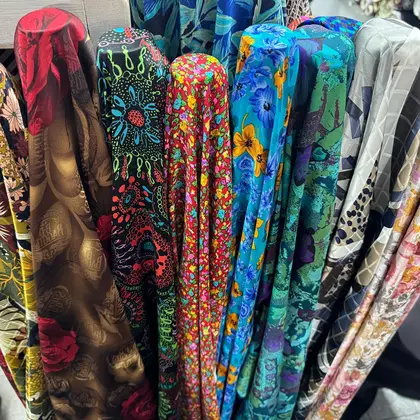
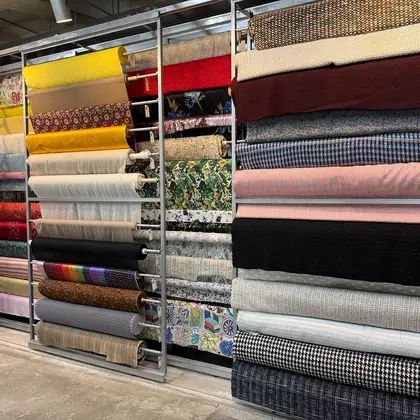
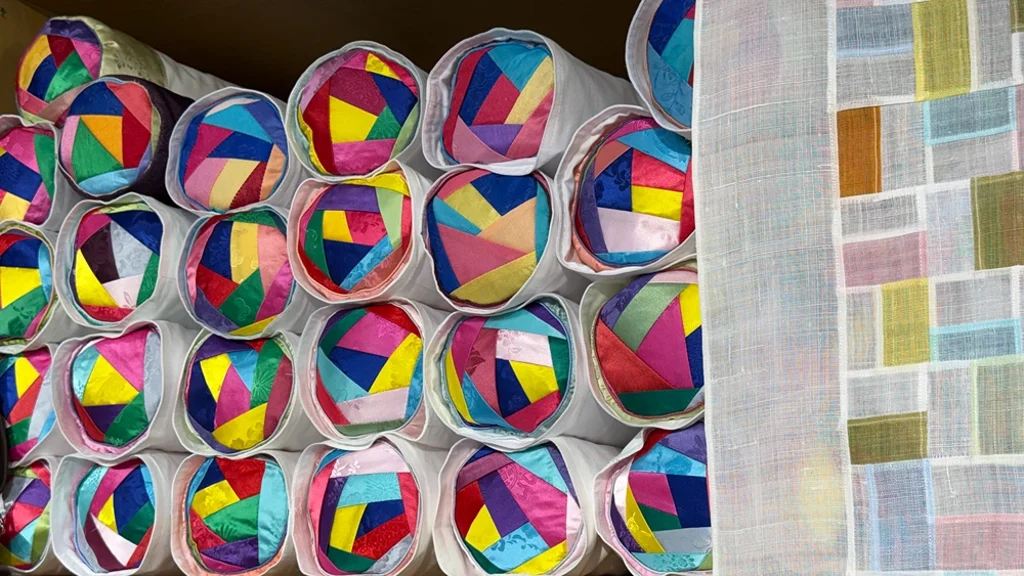
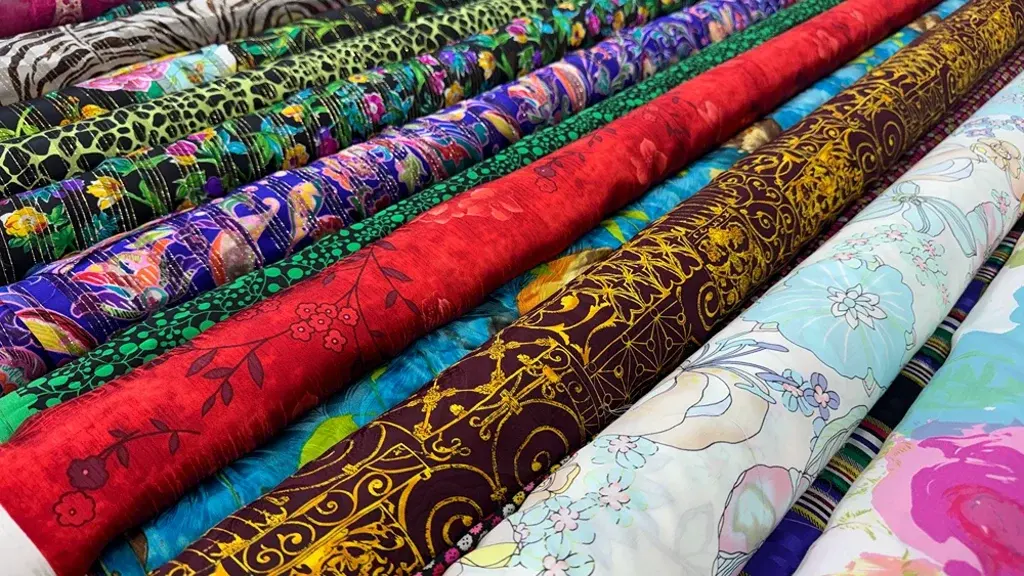
Daeseong Judan is a traditional fabric and silk shop specializing in Korean traditional textiles such as silk, ramie (mosi), hemp cloth (sambae), and colorful striped patchwork fabric (saekdong). Gwangjang Market has long been famous for fabrics and *hanbok* (traditional Korean clothing), and it still preserves a unique system where you can choose your desired fabric and have it custom-made by tailors on the second floor of the market. The charm of Gwangjang Market lies in the fact that the entire journey, from selecting the cloth to receiving the finished garment, takes place within a single market. It is a place where you can experience both Korea's traditional textiles and its living garment-making culture firsthand.
Fabric for Monks' Robes
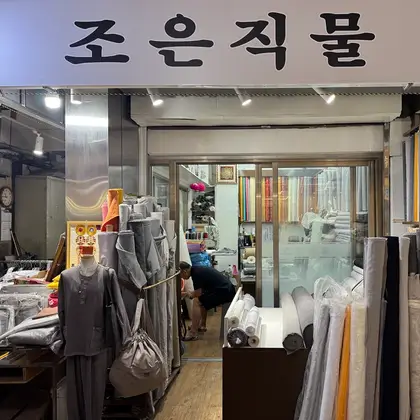
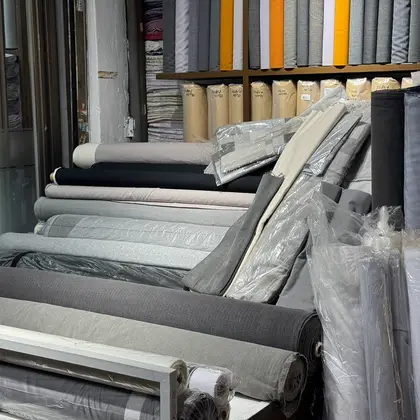
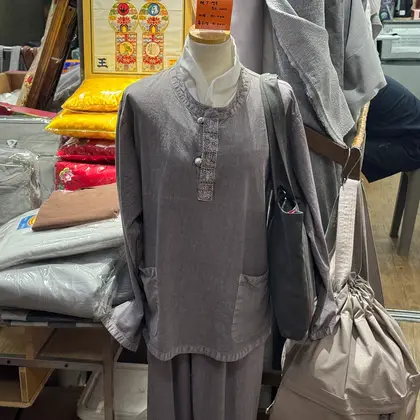
Joeun Jikmul is a specialty shop dealing in fabrics used for monks' robes (seungbok) and religious garments. Fabrics for monks' robes are regarded as more than mere cloth, they are special textiles that embody the life and mindset of a practitioner. It is also fascinating to experience up close fabrics that possess unique colors, textures, and purposes distinct from ordinary apparel textiles. It is a place where you can experience a slice of Korean Buddhist culture that is not easily encountered even within Gwangjang Market.
Jacquard Silk
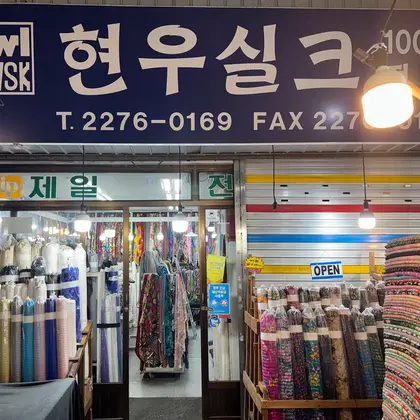
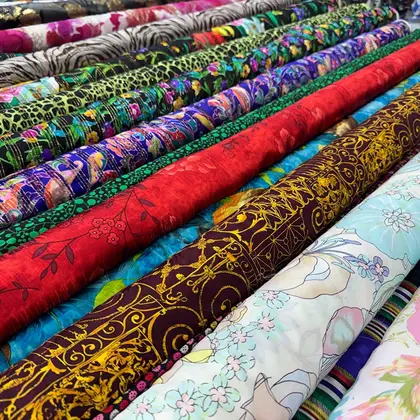
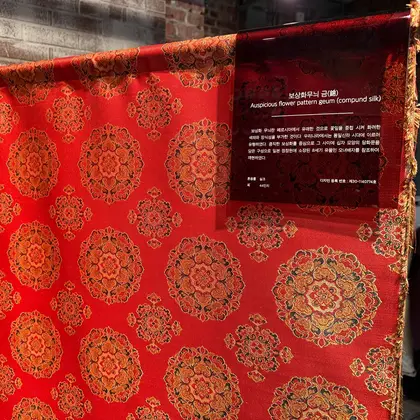
Hyunwoo Silk is a specialty shop dealing in jacquard silk, a fabric that is hard to come by even within Gwangjang Market. Jacquard weaving is a technique where patterns are created by interlacing threads strand by strand, achieving a depth and luxurious texture that printing cannot replicate. With their gorgeous oriental patterns, these silks are used in a wide variety of designs, not only for hanbok, but also for scarves, hijabs, and dresses, continuing the history of Gwangjang Market as the heart of South Korea's fashion fabrics to this day.
Silk
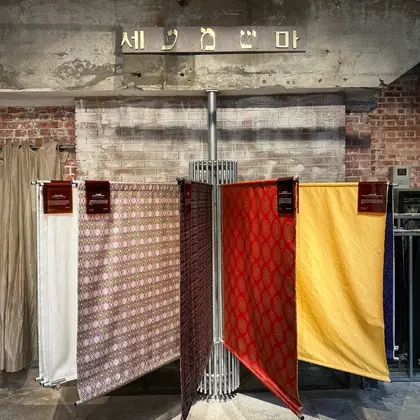
Sema Silk is a premier silk-specialized brand representing Gwangjang Market. Having started as 'Silk Park' before relocating to Gwangjang Market and steadily growing, it has recently expanded and relocated its showroom. Designer brands, stage and broadcast costume production companies, and individual customers looking for high-end fabrics all frequent this place. Sema Silk stands as a representative space showing that Gwangjang Market was once the center of South Korea's fabric distribution and that the tradition continues to thrive today.
Traditional Wedding Ceremonial Foods
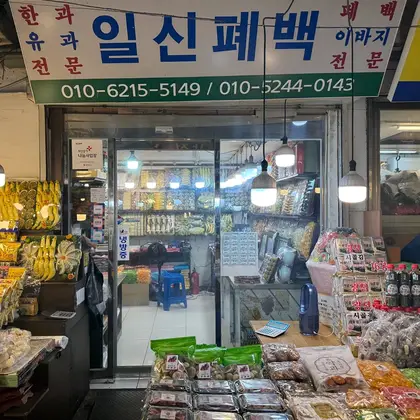
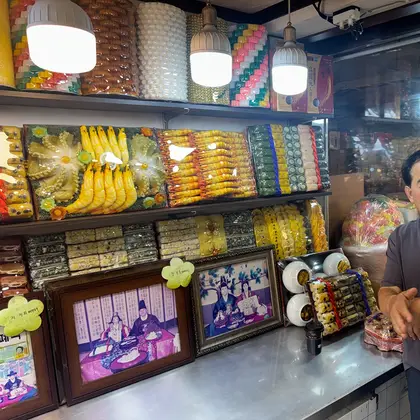
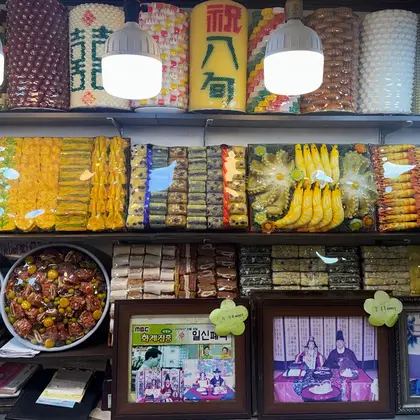
Ilsin Pyebaek is a specialty shop that creates pyebaek food used in traditional Korean weddings. Pyebaek is an important traditional ceremony where the bride pays respects to her husband's parents and officially becomes a part of the new family. Each element carries symbolic blessings: dates and chestnuts represent prosperity and happiness for future descendants, while traditional sweets (gangjeong) and rice cakes (tteok) symbolize abundance and harmony. Every beautifully arranged dish embodies heartfelt blessings, carrying on the rich heritage of traditional Korean wedding culture to this day. It is a special place where you can experience the beauty and flavor of Korean wedding traditions at their finest.
Oriental Medicine Clinic · Traditional Teahouse
Inside Gwangjang Market, traditional oriental medicine clinics and traditional teahouses have long stood together, looking after people's health and well-being. Checking your pulse to restore bodily balance and enjoying seasonal traditional teas alongside sweets (hangwa) is a longstanding part of Korean lifestyle culture. A table set with a warm cup of tea and refreshments embodies the heartfelt Korean hospitality of caring for the body and welcoming guests. It is a quiet and relaxing sanctuary nestled amidst the bustling energy of the market.
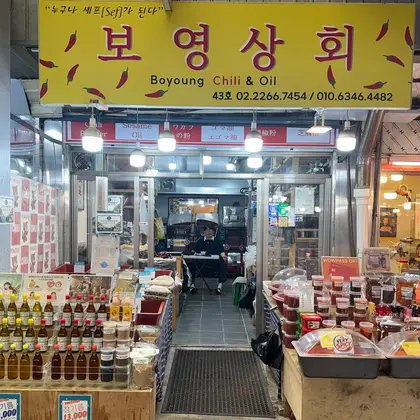
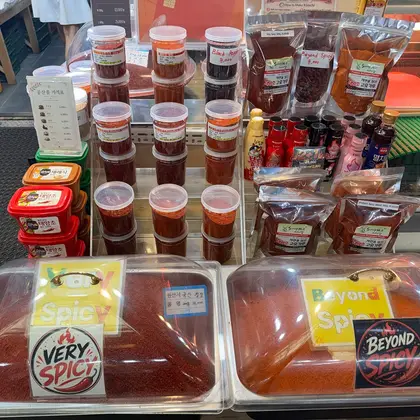
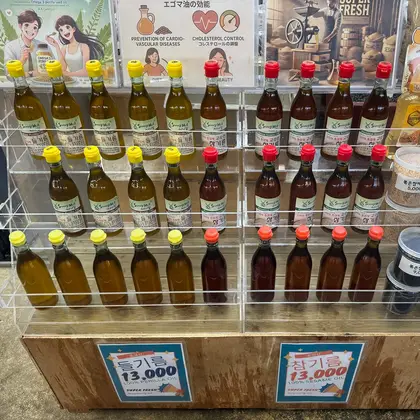
Korean Chili Powder · Sesame Oil
Boyoung Sanghoe is a traditional oil mill in Gwangjang Market that has been pressing sesame oil and perilla oil for a long time. These oils, extracted using traditional pressing methods, are characterized by their rich aroma and preserved nutritional value, making them essential ingredients found in almost every Korean household. You can immediately notice the difference in quality just by the savory aroma that spreads the moment the bottle is opened, and visitors can even taste them before making a purchase at the market. The true depth of flavor in Korean cuisine begins with just a single drop of these oils.
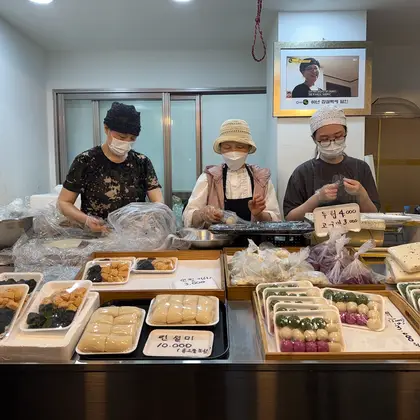
Glutinous Rice Cake
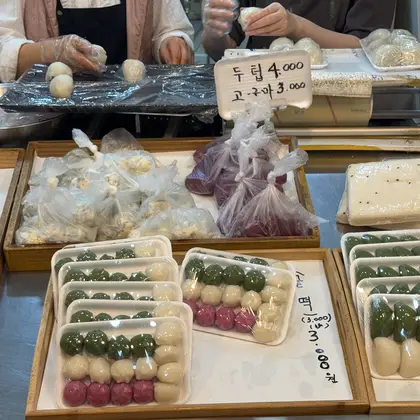
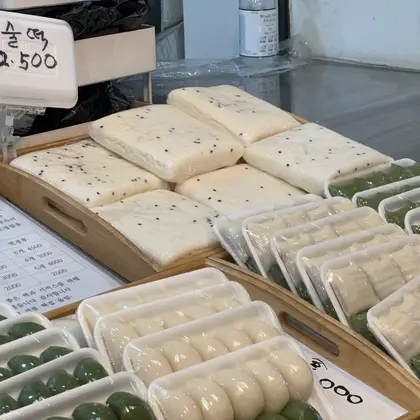
A rice cake shop passed down across three generations for over 60 years, this place has kept pace with the history of Gwangjang Market. Rice cakes (tteok) are an indispensable food in every major milestone of Korean life, from birthdays, weddings, first-birthday parties, and traditional holidays to ancestral memorial services, carrying on the cultural tradition of sharing joy with neighbors. The method of steaming and kneading rice cakes every single dawn has remained largely unchanged for decades. Every single bite of tteok embodies the changing seasons, family bonds, and the heartfelt spirit of celebration inherent in Korean culture.
Kimchi · Salted Seafood Condiments
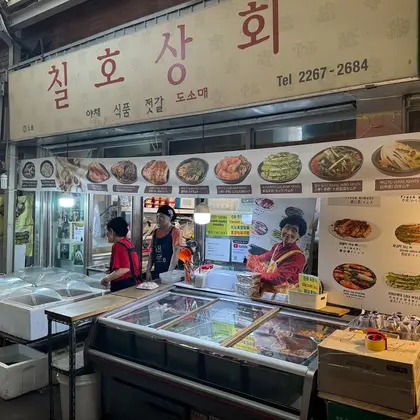
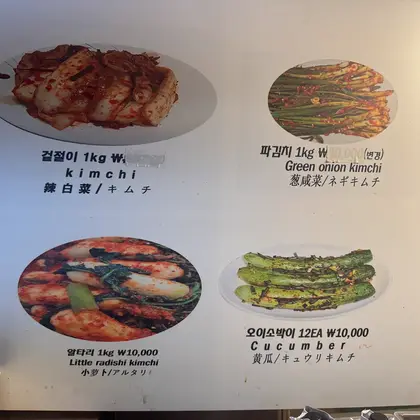
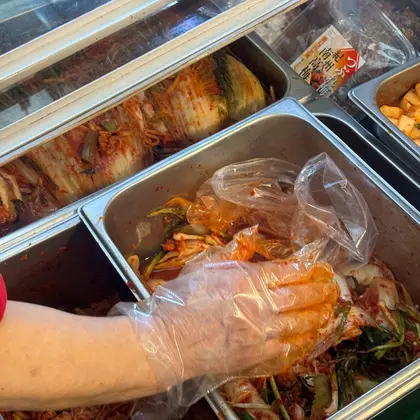
Chilho Sanghoe brings together a wide variety of kimchi in one place, including Napa cabbage kimchi (baechu-kimchi), young summer radish kimchi (yeolmu-kimchi), bachelor radish kimchi (chonggak-kimchi), mustard leaf kimchi (gat-kimchi), and white kimchi (baek-kimchi). Because each type of kimchi uses different ingredients and fermentation methods, they all offer unique flavors, and the salted seafood condiments (jeotgal) sold alongside them are essential ingredients that complete the taste of the kimchi. With vacuum-packing services available for travelers, it has become a must-visit spot for many international visitors. It is a space where you can experience Korea's fermentation culture in the most delicious way possible.
Honey Pastry · Puffed Rice Sweets
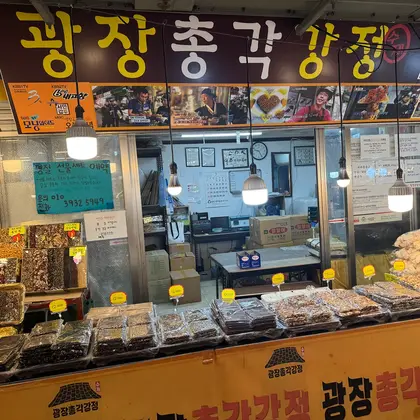
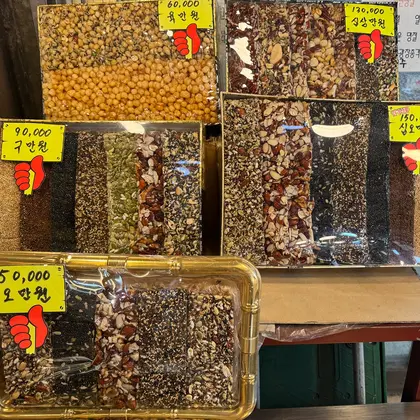
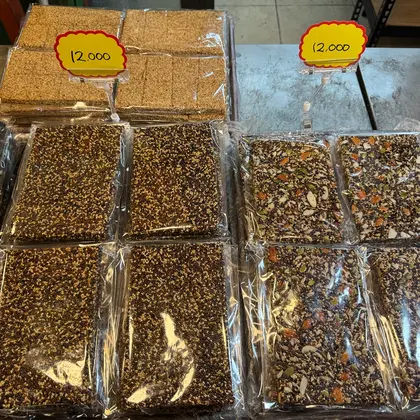
Gwangjang Chonggak Gangjeong introduces Korea’s traditional sweets in a modern and approachable way, offering treats such as yakgwa, yugwa, gangjeong, and yeot. Yakgwa, in particular, has recently gained renewed attention among younger generations and international visitors, becoming a new icon of Korean traditional desserts. Made with natural ingredients such as rice, honey, grain syrup, and sesame seeds, these sweets offer a delicious way to experience a variety of Korean traditional flavors in one place. They are also popular as gifts. It’s a great place to experience Korea’s sweet traditions in their most delicious form.
Gimbap
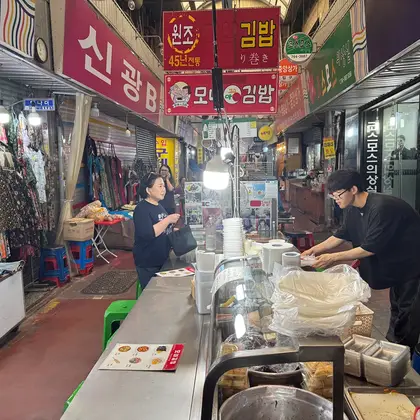
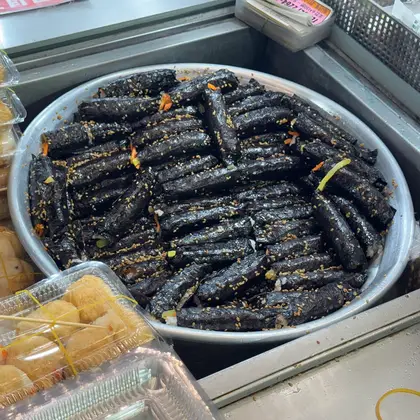
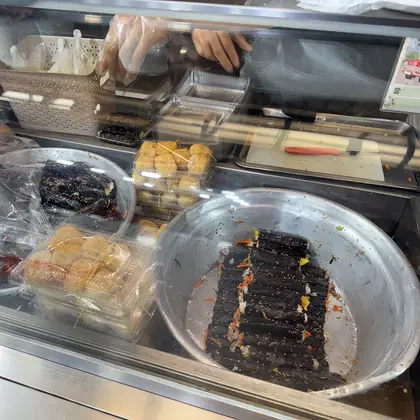
Mayak Gimbap, representative of Gwangjang Market, gets its nickname from the idea that once you eat it, you'll keep craving it (as if it's "addictive" like a drug). While recently also introduced under the name "Jungdok Gimbap" (addictive gimbap), it has long been beloved as a defining symbol of Gwangjang Market. Packed with simple ingredients like carrots, pickled radish (danmuji), and spinach, and dipped in a pungent mustard-soy sauce, this humble gimbap possesses a surprisingly addictive charm. Right next door at the market bapsang (market diner), merchants gather daily to enjoy lunch and keep their workday going. This meeting of tourists' favorite eateries and the everyday lives of local market people creates a scenery unique to Gwangjang Market.
Twisted Doughnut
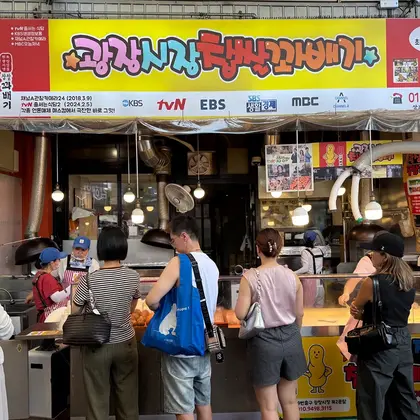
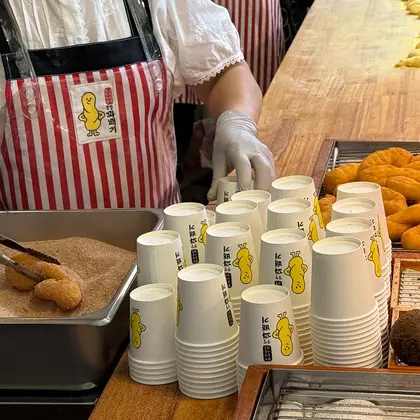
A legendary twisted doughnut hotspot in Gwangjang Market that is an absolute must-visit. Freshly fried glutinous rice twisted doughnuts (chapssal kwabaegi) offer a perfect harmony of a crispy exterior and a chewy interior, while the black rice glutinous doughnuts filled with sweet red bean paste are also immensely popular. With long queues constantly forming, it is a renowned destination loved by both domestic and international travelers and an essential course for tasting the warm, comforting street snacks of a traditional Korean market.
Mung Bean Pancake · Grilled Short Rib Patties
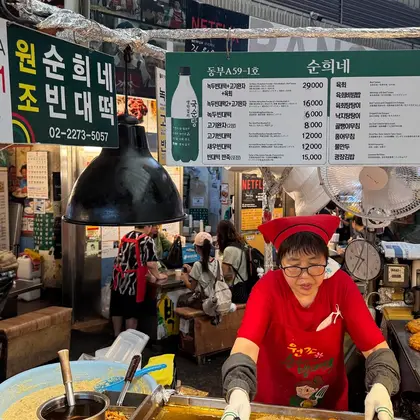
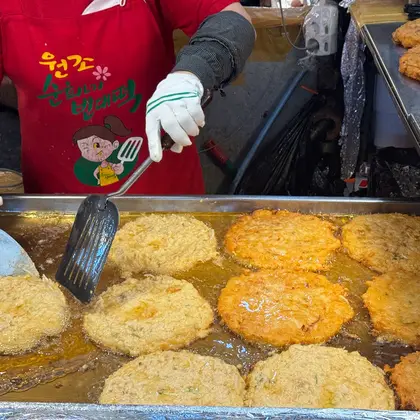
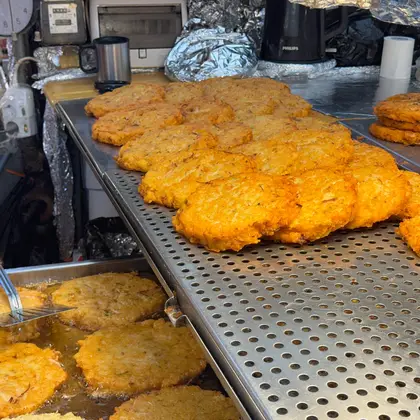
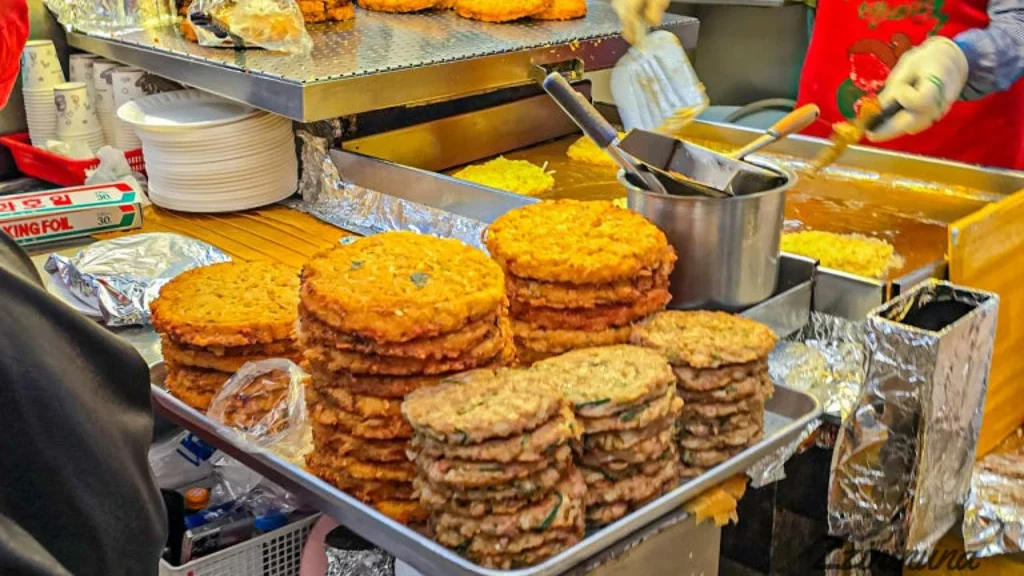
A representative traditional restaurant of Gwangjang Market, where you can enjoy crispy pan-fried mung bean pancakes (bindaetteok) alongside juicy grilled short rib patties (tteokgalbi). Beloved by both domestic and international tourists for its unchanging taste over the years, it is an essential dining spot to experience iconic market food amid the lively and warm atmosphere of a traditional Korean market.
Ssanghwa Tea
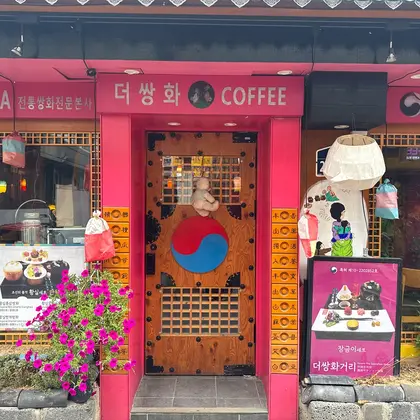
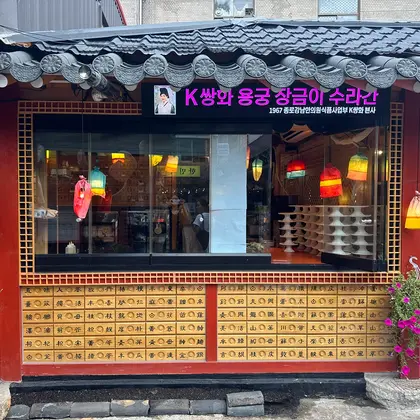
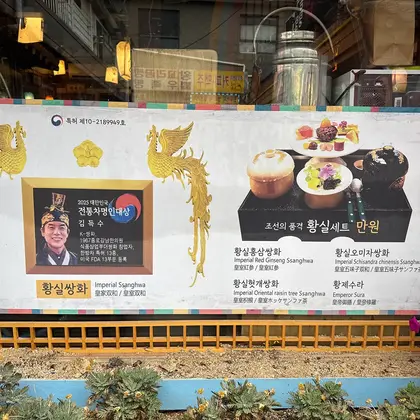
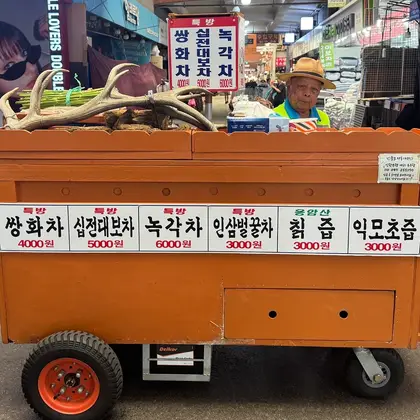
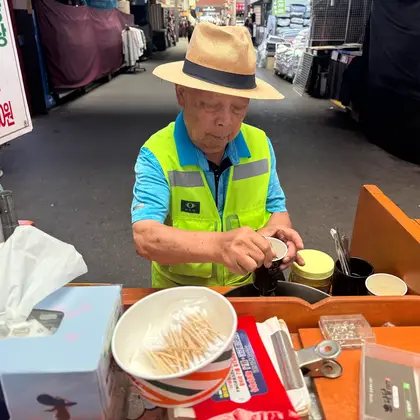
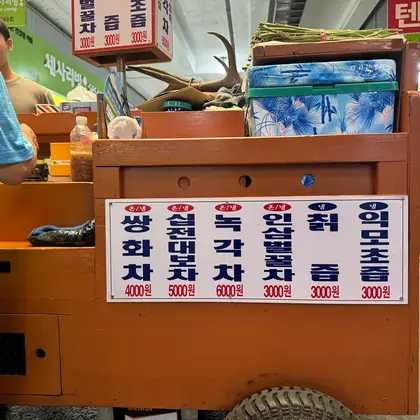
A 50-year-old traditional herbal tea stall, and a landmark specialty of Gwangjang Market. Every night, they carefully brew traditional herbal teas such as Sipjeondaebotang and Ssanghwacha using traditional methods, achieving a deep flavor enriched with deer antler (nokyong) and various medicinal herbs. Available exclusively from 8:00 AM to 11:00 AM, this special hidden gem in Gwangjang Market is a must-visit for global travelers looking to experience Korea's traditional health-tonifying culture.